


Unraveling the historical evolution of gambling practices through the ages
The Origins of Gambling
The history of gambling dates back thousands of years, with archaeological evidence suggesting that forms of betting existed in ancient civilizations. The earliest known gambling artifacts were found in China, where rudimentary games using tiles for betting were played as early as 2300 BC. Similarly, ancient Egyptians engaged in betting activities, which were often linked to religious practices and rituals. Today, players can explore exciting options at jackie jackpot casino online, continuing the legacy of this ancient pastime.
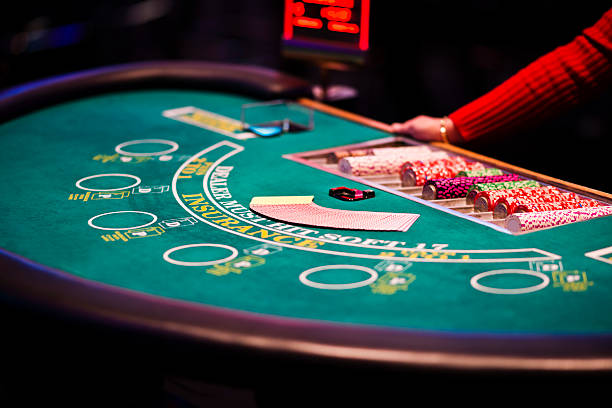
As societies progressed, gambling practices began to formalize. The Romans introduced games of chance that were not only popular among the elite but also enjoyed widespread participation among common citizens. These early games laid the groundwork for the structured gambling environments we see today.
The Evolution of Gambling in the Middle Ages
During the Middle Ages, gambling saw a notable transformation, particularly in Europe. The popularity of dice games soared, and the first gambling houses began to emerge. These establishments catered to a growing interest in organized games, attracting patrons from all walks of life. It was during this period that the concept of betting on the outcome of events, such as jousts and other competitions, became commonplace.
The establishment of lotteries also gained momentum during the Middle Ages, providing a method for raising funds for public projects. This form of gambling became particularly popular in England, where it was used to fund everything from roads to charitable causes. Such innovations reflect how gambling evolved beyond mere entertainment to become a significant socio-economic tool.
The Rise of Modern Gambling
The 18th century marked the emergence of modern gambling as we know it. In cities like Venice and Paris, the first casinos opened their doors, providing a luxurious environment for patrons to engage in various games of chance. This period saw the introduction of popular card games, which gained immense popularity across Europe and eventually made their way to America.
With the advent of the Industrial Revolution, gambling practices expanded further. The establishment of horse racing tracks and the introduction of betting on sports shifted the landscape significantly. This era laid the foundation for the gambling regulations and laws that would govern the industry in the years to come.
The Digital Age and Online Gambling
The late 20th century heralded the digital revolution, transforming the gambling landscape yet again. The introduction of the internet opened up new avenues for gambling enthusiasts, leading to the emergence of online casinos. Players could now enjoy their favorite games from the comfort of their homes, with a vast array of options available at their fingertips.
Online gambling has since experienced explosive growth, fueled by technological advancements such as mobile gaming and live dealer experiences. This shift not only broadened access to gambling but also introduced new challenges in terms of regulation and responsible gaming practices.
Jackie Jackpot: Your Gateway to Online Gambling
As the world of gambling continues to evolve, platforms like Jackie Jackpot offer an exciting and user-friendly online casino experience. With a vast selection of over 500 games, ranging from immersive live dealer options to thrilling slots, it caters to both casual and experienced players. The site’s commitment to fair play and responsible gambling makes it a trusted choice for many.
Jackie Jackpot also prioritizes customer support and flexible payment options, ensuring that players have a seamless experience. With generous promotions and a focus on providing high-quality entertainment, Jackie Jackpot stands at the forefront of the online gambling revolution.